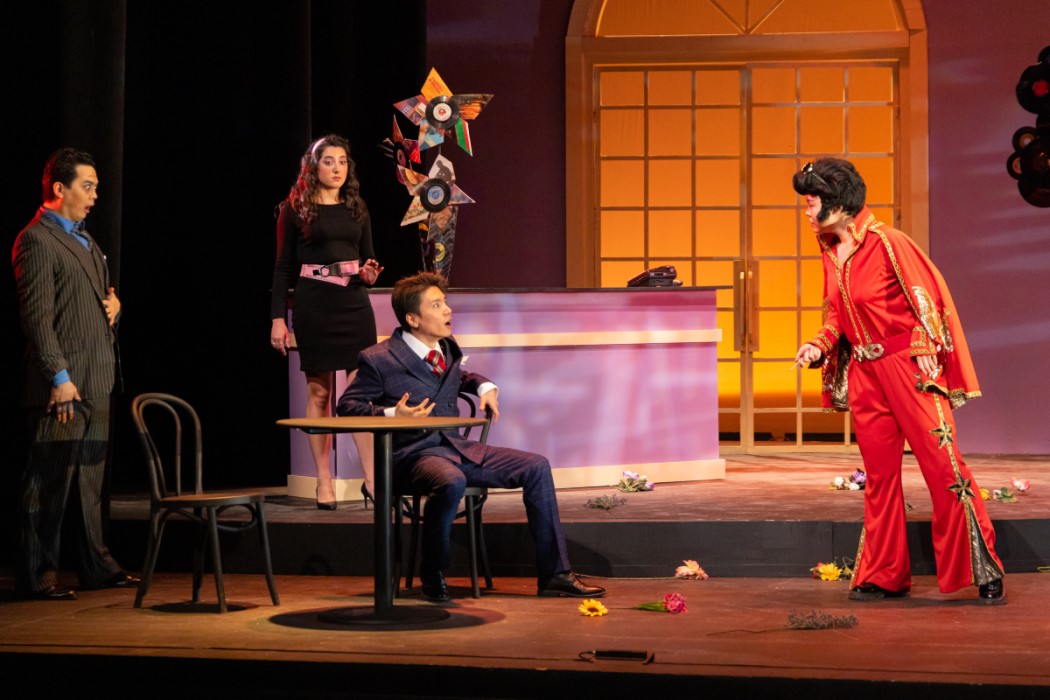
Whether in the classroom or in student performances on campus, at the John F. Kennedy Center for the Performing Arts, or in other venues across D.C., you will hone your skills, pursue your passion, and use the beauty you create to serve your community and the world. You will be encouraged and inspired by renowned faculty in a comprehensive, conservatory-style environment that fosters excellence in concert, stage, and church performance, as well as in music education.
All of our Music degrees are fully accredited through the National Association of Schools of Music (NASM).
The Board of Trustees of The Catholic University of America voted on June 5, 2018, to unite the Departments of Drama and Art, previously in the School of Arts and Sciences, with the Benjamin T. Rome School of Music to create the new Benjamin T. Rome School of Music, Drama, and Art. This new school includes the Department of Music Performance; the Department of Music Theory, History, and Composition; the Department of Drama; and the Department of Art.
Degrees in composition, music education, musical theatre, orchestral instruments/guitar, piano, voice, and more.
Choose from master’s degrees in orchestral conducting, pedagogy, performance, sacred music, musicology, and more.
Focus your doctorate on composition, orchestral conducting, pedagogy, performance, sacred music or musicology.
A graduate-level, non-degree program for students seeking total concentration in a specific performance area.
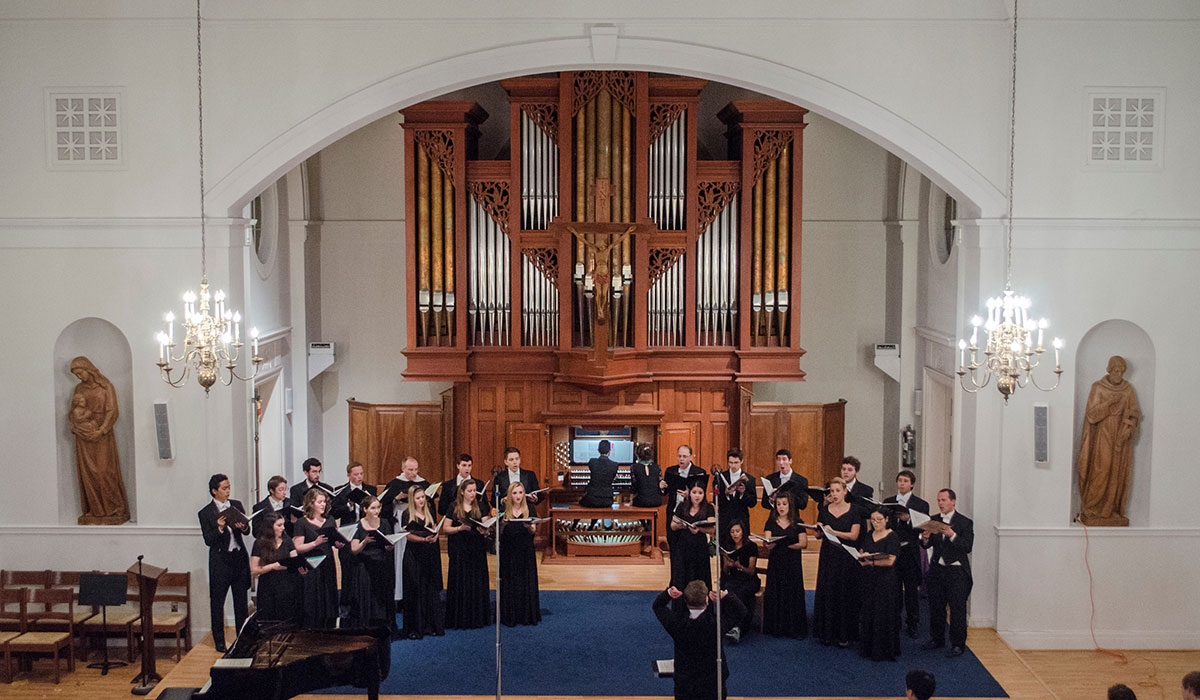
The Rome School of Music, Drama, and Art is home to ensembles from the sacred music and instrumental music and conducting academic areas.
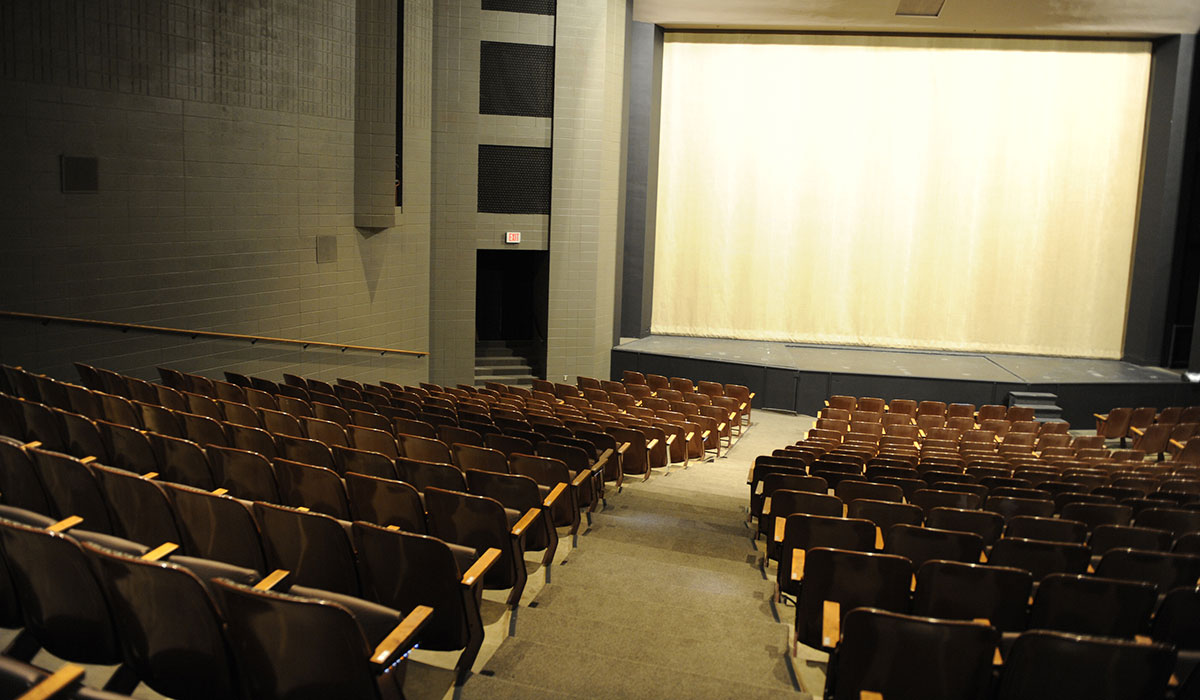
The Rome School of Music, Drama, and Art presents performances, concerts, exhibitions, and events on campus in our historic Brookland neighborhood as well as in many locations in Washington, D.C. and nearby in Virginia and Maryland.
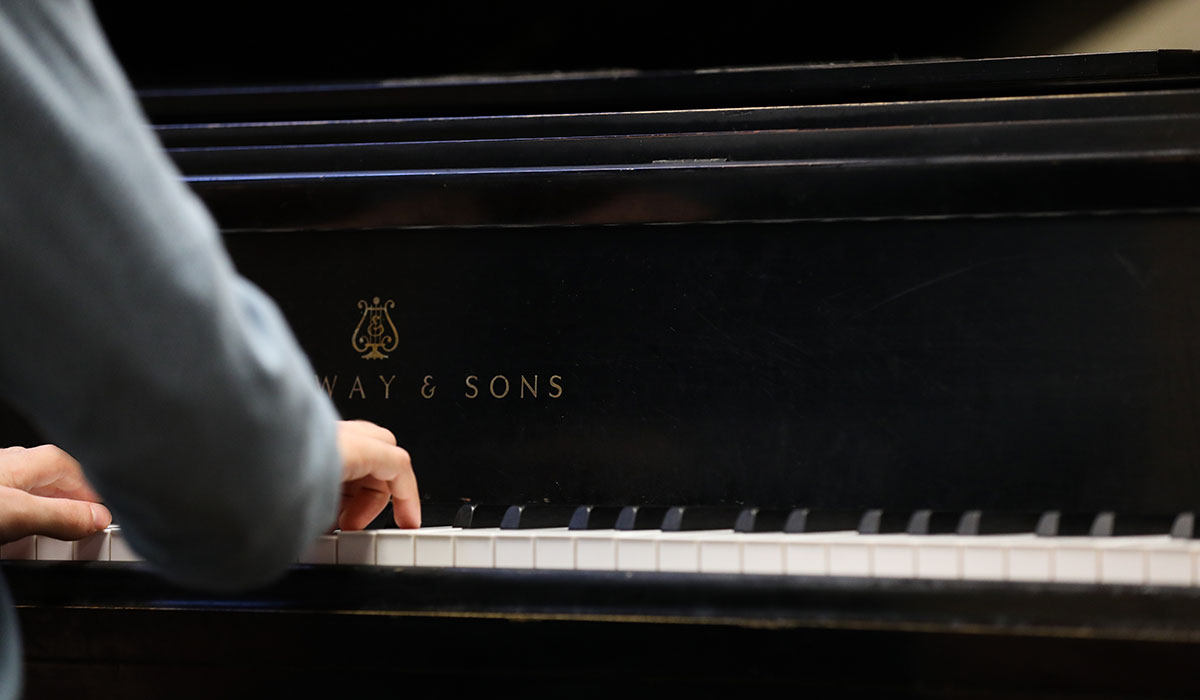
Ready to audition? Choose your music division of interest and preview their specific audition requirement and dates available, and take the next step in pursuing your passion.
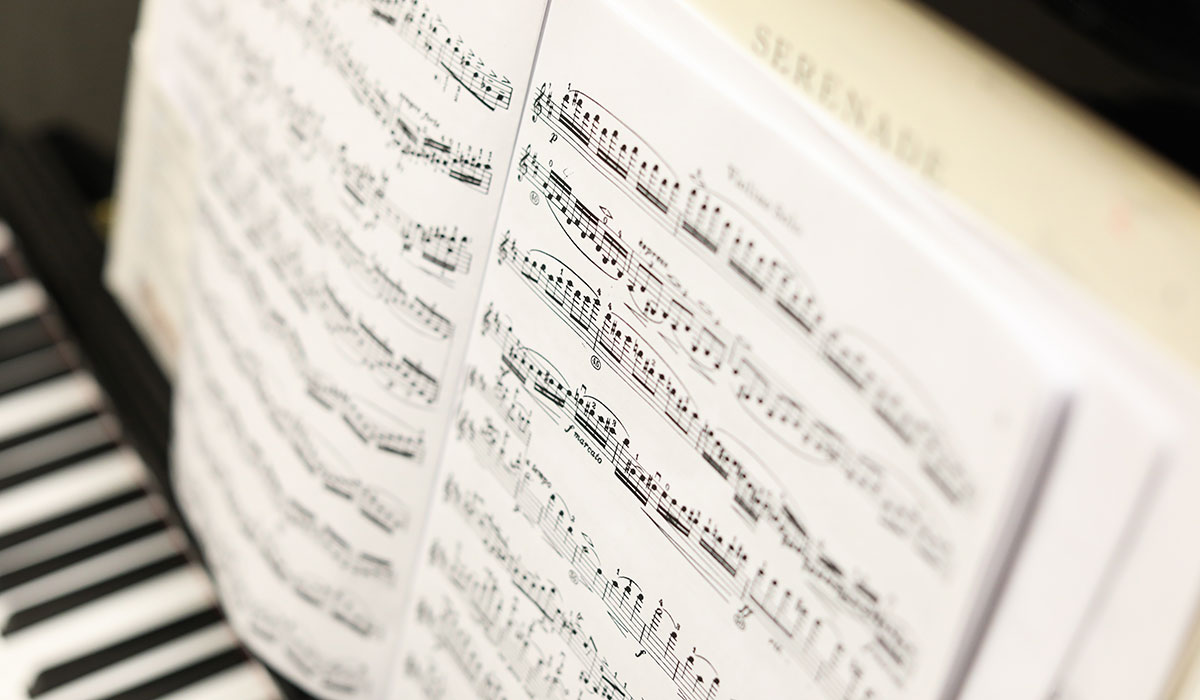
The Departments of Music offer scholarships for undergraduate and graduate students. All students who audition are considered for music scholarships.
Our faculty, with lifelong careers of studying and producing beautiful music, is invested in fostering your talent and instilling the confidence in you to become the musician you’ve always dreamed of being.
Learn More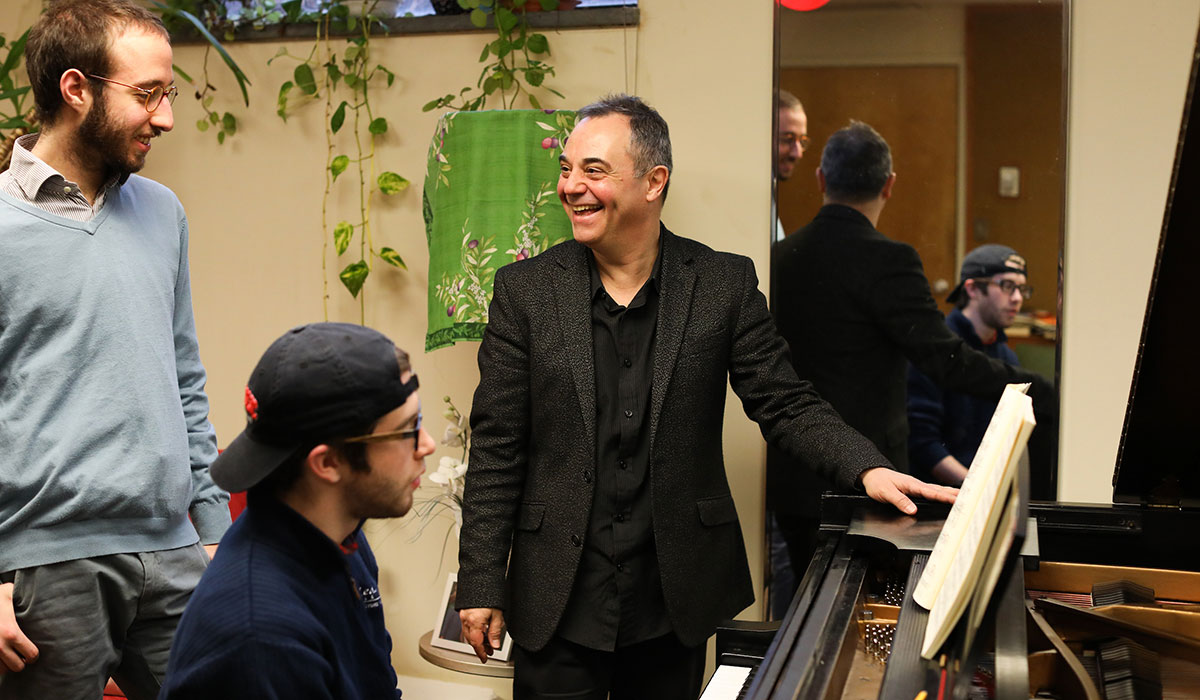
From a cappella groups to the Center Stage Theatre Company, campus radio or one of our dance clubs, there are countless ways to get involved on campus and forge friendships with peers who share your same passions.
Learn More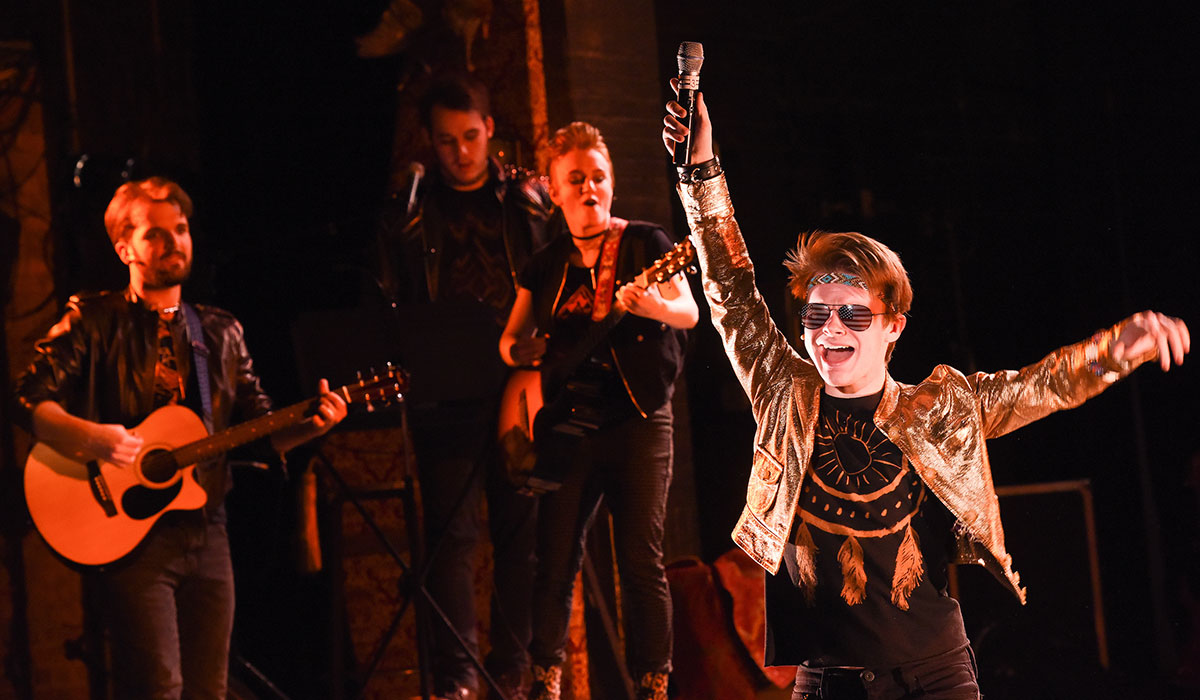
Our students can be found studying musical theatre in London or working alongside faculty in China, Italy, Portugal and beyond, gaining experience and taking in beauty across the globe.
Learn More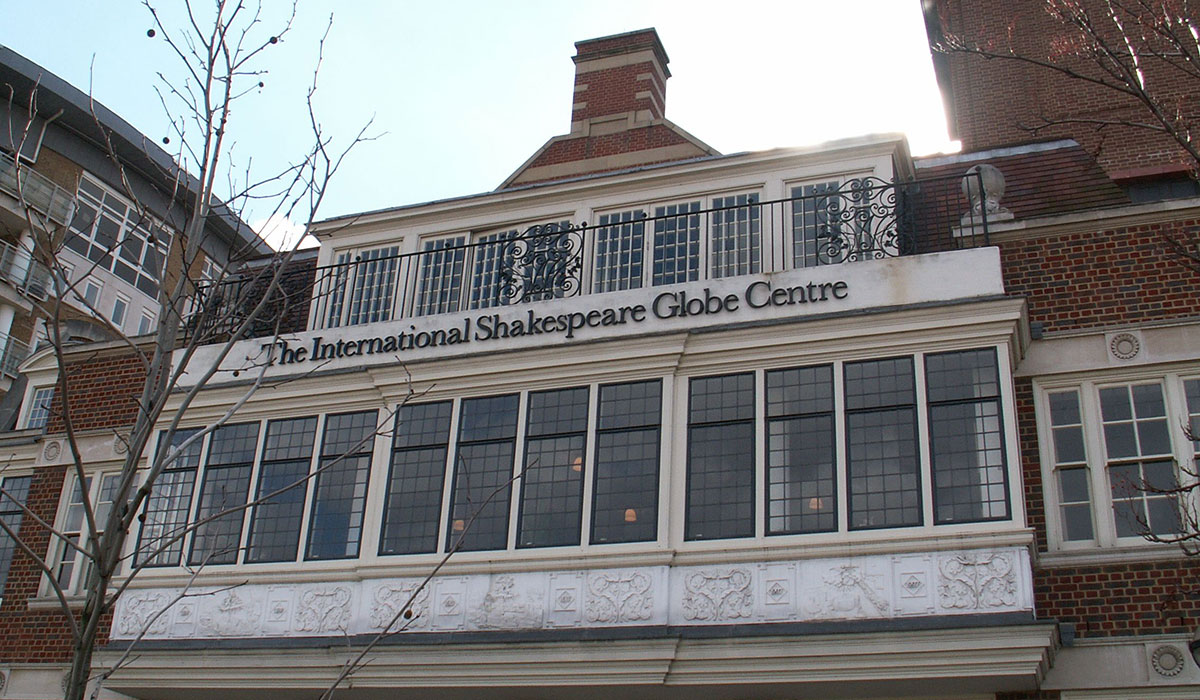
Those interested in the music of North and South America and the Caribbean region come together and collaborate in our Latin American Center for Graduate Studies in Music.
Learn More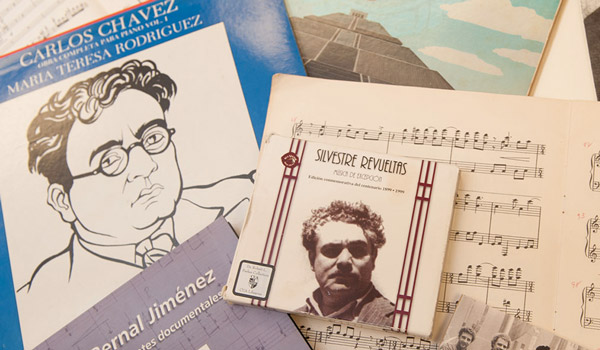
The International Center for Ward Method Studies exists to promote the teaching and preservation of Gregorian Chant according to the principles and techniques of Dom André Mocquereau and to advance the teaching of the Ward Method of Music Instruction for Catholic Schools in the United States and internationally.
Learn More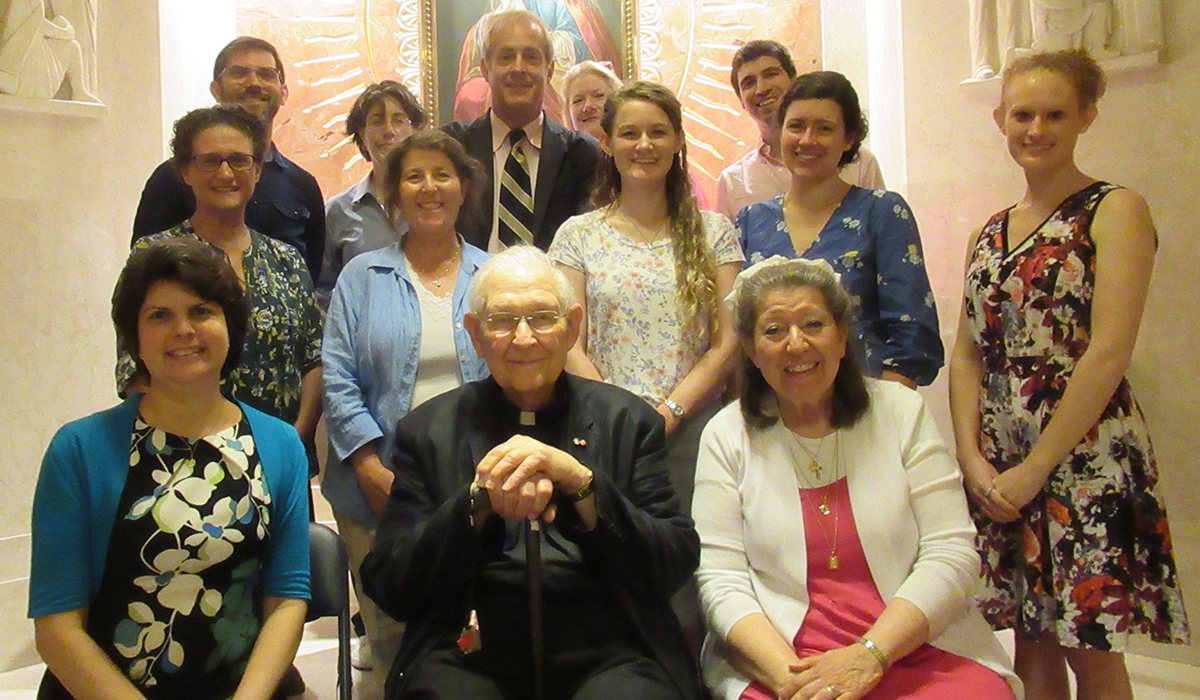
The Catholic University Departments of Music are required by the National Association of Schools of Music (NASM) to inform students, faculty and staff of health and safety issues associated with music practice, performance, listening, and teaching.
Learn More